
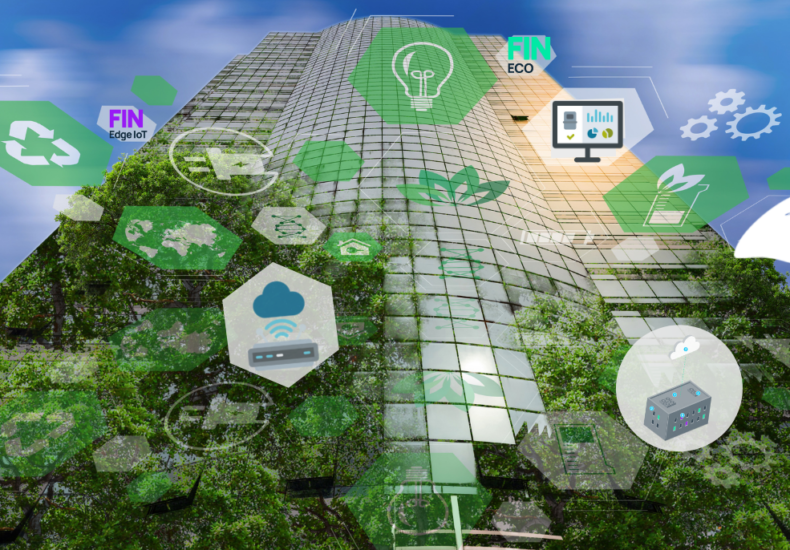
Energy-Efficient Buildings: The Role of Automation in Reducing Carbon Footprints
Thailand faces a pressing challenge as urbanisation accelerates and electricity consumption rises. The intense tropical heat makes air conditioning a necessity rather than a luxury, driving energy demand to new heights. To combat this, architects and engineers are turning towards smarter designs. The goal is simple: reduce energy waste without sacrificing comfort. Automation systems are becoming central to this shift, transforming how structures operate on a daily basis.
Historically, managing a building’s temperature and lighting relied on manual controls or basic timers. This often led to inefficiencies, such as cooling empty rooms or leaving lights on in broad daylight. Modern automation changes this dynamic completely. By using sensors and intelligent software, facilities can adjust in real-time to occupancy levels and weather conditions. These technological advancements are essential for creating low carbon buildings that align with national sustainability goals.
In Bangkok and other major Thai cities, the “heat island” effect exacerbates cooling needs. Automation offers a precise solution. Smart HVAC (Heating, Ventilation, and Air Conditioning) systems can detect when a room is occupied and adjust the temperature accordingly. If a meeting room empties out, the system eases off the cooling, saving significant amounts of power. Over a year, these small adjustments accumulate, resulting in substantial reductions in greenhouse gas emissions.
Lighting control is another major factor. In a country blessed with abundant sunshine, relying heavily on artificial lighting during the day is inefficient. Automated shading systems can adjust window blinds to block harsh direct sunlight while allowing natural light to illuminate the interior. This reduces the load on air conditioning by keeping the heat out, while photosensors dim the interior lights to balance the brightness. The result is a comfortable environment that uses a fraction of the energy.
Adopting these technologies does present hurdles. Retrofitting older structures in Thailand can be costly and technically complex. Many existing buildings were not designed with digital integration in mind. However, the long-term operational savings often justify the initial investment. Furthermore, government initiatives promoting green standards are encouraging property owners to upgrade their facilities.
The push for automation also supports better maintenance. Smart systems can predict when equipment is about to fail, allowing for repairs before a breakdown occurs. This prevents energy spikes caused by malfunctioning machinery. For instance, a clogged air filter forces an AC unit to work harder, consuming more electricity. Automated alerts ensure these issues are addressed immediately.
Ultimately, the transition to automated, energy-efficient infrastructure is vital for Thailand’s environmental future. By embracing technology that responds intelligently to its environment, the construction sector can significantly lower its carbon footprint. It moves the country towards a cleaner, more sustainable model of urban living, where comfort and conservation go hand in hand.
You may also like
Top posts

The Workings of the Industrial Dehumidifier

Website Design for Business Effectiveness

Customer Centricity: Start With Customer Support

Selecting Industrial Machine Lighting: Technical Tips
Recent Posts
- How Aging Affects the Ability to Absorb New Information December 29, 2025
- Energy-Efficient Buildings: The Role of Automation in Reducing Carbon Footprints December 23, 2025
- Why Shared Work Environments Appeal to a Wider Range of Professionals December 19, 2025
- The Alarming Rise of Vape Pods Among Teens November 28, 2025
- Comparing Montessori Schools to Traditional Schools October 17, 2025