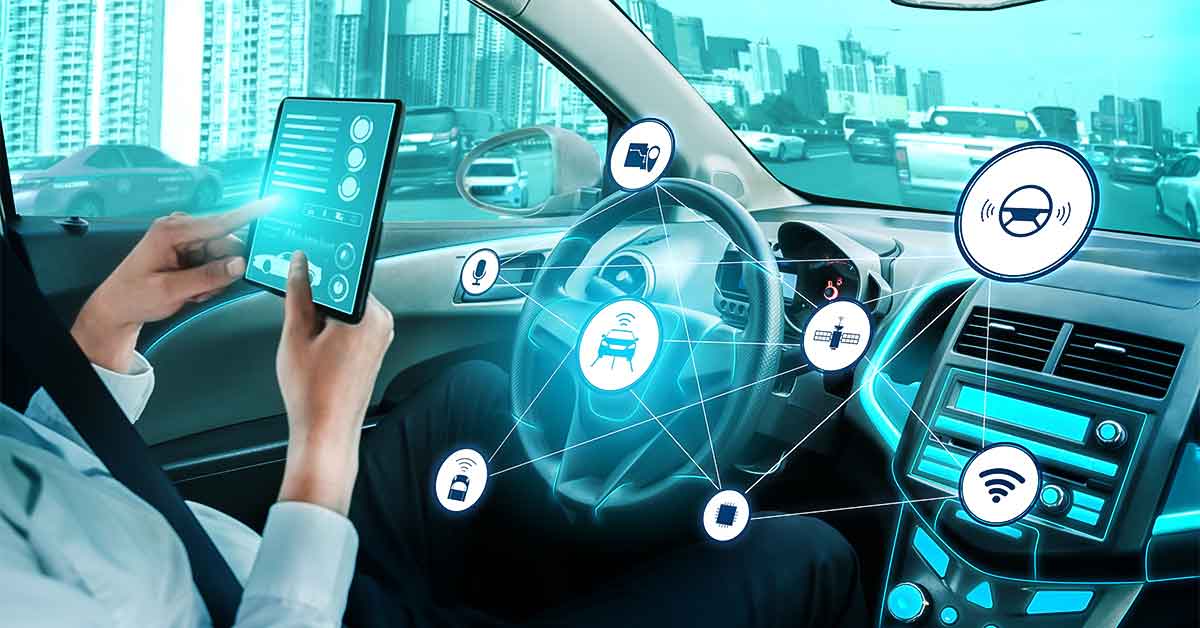
The automotive industry has long been a cornerstone of modern civilization, revolutionizing the way people live, work, and interact. From its humble beginnings with the creation of the first gas-powered vehicles to the current era of electric and autonomous driving, the car has transcended its role as a mere mode of transport to become a symbol of personal freedom, innovation, and societal progress. As we stand on the brink of a new automotive revolution, one shaped by advancements in artificial intelligence, sustainability, and connectivity, it is clear that the future of automobiles will be far more than just an evolution—it will be a reinvention.
The Birth of the Automobile: From Horse-Drawn Carriages to Mechanical Marvels
The history of the automobile dates back to the late 19th century, when visionaries like Karl Benz and Gottlieb Daimler took the first steps in replacing horse-drawn carriages with mechanically powered vehicles. The 1885 Benz Patent-Motorwagen is often cited as the first true automobile, marking the dawn of the modern era of transportation. Over the next several decades, technological advancements began to transform the automobile from a luxury for the elite to a common necessity for the masses.
The early 20th century saw the rise of iconic manufacturers such as Ford, whose assembly line production techniques revolutionized the industry and made cars affordable to a wider audience. The Model T, introduced in 1908, was a game-changer, offering a reliable and affordable vehicle to families across the United States. This era also marked the beginning of mass production and the standardization of automobile parts, which laid the foundation for the global automotive industry we know today.
By mid-century, the automobile had become not just a tool for transportation but a symbol of status, freedom, and aspiration. The post-war economic boom, coupled with the rise of consumer culture, spurred innovation in car design and performance. From sleek, powerful muscle cars to the more refined luxury sedans, the automotive industry became a stage for displaying technological prowess, aesthetic beauty, and consumer desires.
The Shift Towards Sustainability: A New Era of Electric Mobility
As the 21st century progressed, however, the once-untouchable dominance of the internal combustion engine began to face mounting challenges. Growing concerns over climate change, urban congestion, and the environmental toll of fossil fuel consumption spurred both consumers and governments to rethink the future of the automobile. The environmental cost of gasoline and diesel engines, along with the inevitable depletion of fossil fuel resources, pushed the industry to explore cleaner, more sustainable alternatives.
Enter the electric vehicle (EV). The concept of electric cars is hardly new—the first electric vehicle was built in the 1830s—but it wasn’t until the early 2000s that electric cars gained serious traction in the market. Tesla, founded by Elon Musk in 2003, was one of the pioneering companies to bring electric vehicles into the mainstream, with the launch of the Tesla Roadster in 2008. Tesla’s focus on creating electric cars that were not only eco-friendly but also high-performance, stylish, and desirable revolutionized the EV market and set the stage for a global push toward electrification.
Today, electric cars are no longer seen as niche or experimental. They are the future. Companies like General Motors, Ford, and Volkswagen, once synonymous with gasoline-powered vehicles, have committed to an electrified future, announcing plans to phase out internal combustion engines in favor of electric powertrains within the next few decades. Meanwhile, governments around the world are implementing stricter emissions regulations and offering incentives to promote the adoption of EVs.
The shift to electric vehicles has also sparked the development of new technologies, such as longer-lasting batteries, faster charging systems, and more efficient powertrains. Additionally, the growing network of EV charging infrastructure is making it easier for drivers to adopt electric cars without the anxiety of range limitations. As battery technology continues to improve, the hope is that electric cars will eventually become as affordable and accessible as traditional vehicles, further accelerating the shift towards a more sustainable future.
Autonomous Driving: The Road to Self-Driving Cars
Beyond electrification, the most transformative development in the automotive world today is the rise of autonomous driving technology. Self-driving cars, once the stuff of science fiction, are becoming increasingly realistic thanks to breakthroughs in artificial intelligence, machine learning, and sensor technology. Major companies like Waymo (a subsidiary of Alphabet, Google’s parent company), Tesla, and traditional automakers are pouring billions of dollars into research and development in the hope of bringing fully autonomous vehicles to market.
The promise of self-driving cars is tantalizing. Proponents argue that autonomous vehicles could vastly improve road safety by reducing human error, which is responsible for the majority of traffic accidents. Autonomous cars could also reduce traffic congestion by communicating with one another and optimizing routes, potentially cutting travel times and fuel consumption. Furthermore, the widespread adoption of self-driving cars could free up valuable time for individuals, who would no longer need to focus on driving and could instead engage in work or leisure activities during their commutes.
However, the path to fully autonomous vehicles is not without challenges. While significant progress has been made in terms of technology, regulatory hurdles, public acceptance, and ethical considerations remain major obstacles. There are questions about how self-driving cars will interact with human drivers, how insurance policies will adapt, and how society will deal with the potential loss of millions of driving-related jobs. Additionally, issues of safety and reliability—especially in complex urban environments—must be addressed before fully autonomous cars become a common sight on the road.
Despite these hurdles, autonomous vehicles represent the next frontier in automotive innovation, and their development will likely shape the industry for decades to come.
The Connected Car: A New Era of Smart Mobility
Alongside the shift to electric and autonomous vehicles, the rise of connected cars is another key trend that is shaping the future of the automotive world. Today’s vehicles are increasingly equipped with sophisticated communication systems that allow them to connect with other vehicles, infrastructure, and even the cloud. This connectivity is transforming the driving experience, creating a new era of “smart” mobility.
Connected cars are equipped with a range of technologies, such as 5G, IoT (Internet of Things), and vehicle-to-everything (V2X) communication, which allow them to interact with other vehicles on the road, traffic lights, and even parking meters. These systems can improve safety by alerting drivers to potential hazards, provide real-time traffic updates, and offer more efficient routing based on traffic patterns. Moreover, connected vehicles can enable a range of conveniences, from remote diagnostics and predictive maintenance to in-car entertainment and personalized driving settings.
This connectivity is also playing a key role in the development of smart cities. As urban areas become more congested, integrating connected vehicles into the broader transportation ecosystem can help optimize traffic flow, reduce emissions, and make commuting more efficient. For instance, smart traffic lights could adjust in real-time based on traffic conditions, reducing wait times and improving overall flow. Additionally, connected vehicles could make car-sharing and ride-hailing services more efficient, helping to reduce the need for personal vehicle ownership in densely populated areas.
The Future of Automotive: Innovation Meets Sustainability
The future of the automotive industry is poised to be shaped by a combination of cutting-edge technology, environmental consciousness, and changing consumer expectations. As electric vehicles, autonomous driving, and connected car technologies continue to evolve, the industry will be tasked with addressing the dual challenges of meeting global demand for transportation while mitigating the environmental impact of personal mobility.
Innovation in materials and manufacturing processes will also play a crucial role in making cars more sustainable. Lightweight materials, such as carbon fiber and aluminum, can reduce the overall energy consumption of vehicles, while 3D printing and modular manufacturing techniques offer the potential to streamline production processes and reduce waste. The goal is not just to create cleaner vehicles, but to develop a more sustainable automotive ecosystem that includes energy-efficient production, longer vehicle lifespans, and a shift toward renewable energy sources.
Moreover, as consumer preferences continue to evolve, automakers will need to balance the desire for high-performance, luxury, and convenience with the growing demand for eco-friendly, ethically produced vehicles. As such, the automotive industry’s future will likely be defined by a delicate balance between innovation, sustainability, and societal impact.
Conclusion: Navigating the Road Ahead
The automotive industry stands at a crossroads, with rapid advancements in technology reshaping every aspect of how we think about cars. From electric powertrains and self-driving systems to the rise of connected vehicles and sustainable manufacturing, the future of automotive mobility promises to be both exciting and transformative. However, the road ahead will require careful consideration of technological, societal, and environmental factors, as automakers strive to deliver on the promise of cleaner, safer, and more efficient transportation.
As we look toward a future where electric cars are the norm, autonomous vehicles share the roads with human-driven ones, and smart cities integrate connected mobility, one thing is certain: the automotive revolution is just beginning. The cars of tomorrow will not just be machines—they will be intelligent, sustainable, and interconnected extensions of our lives, pushing the boundaries of what is possible and opening up new horizons for mobility.