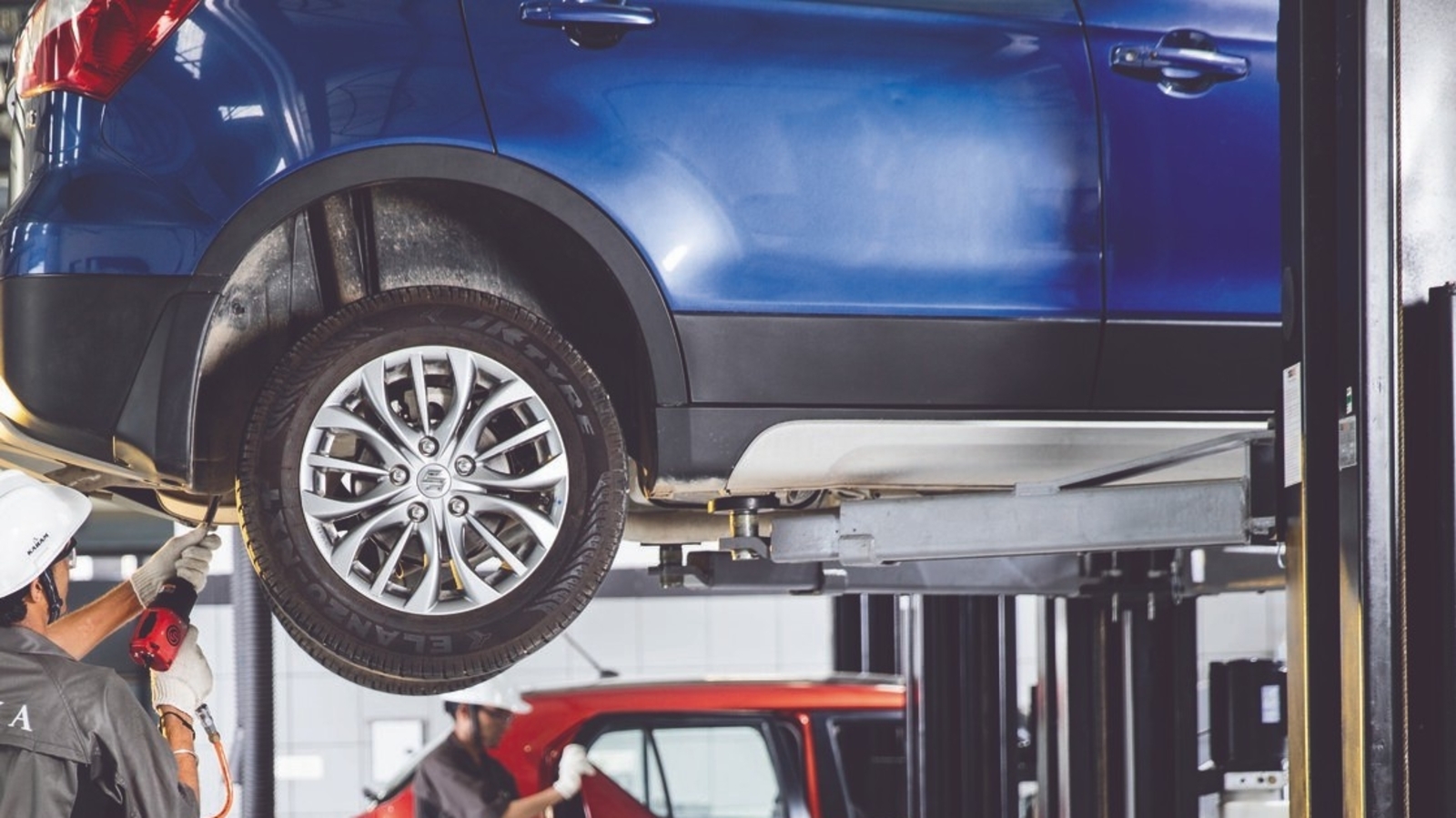
A workshop that regularly handles vans, extended passenger vehicles, or trucks quickly discovers that a standard bench is not always enough, which is where a pickup frame alignment bench becomes a much more practical piece of equipment than a shorter, passenger-car-focused platform. Length, weight distribution, and structural access all become more challenging once the vehicle extends beyond what a conventional setup was really designed to support.
Extended Vehicles Create Different Repair Demands
Long-wheelbase repairs are not simply larger versions of car repairs. The additional vehicle length affects how the structure is supported, how measuring points are accessed, and how pulling operations are carried out. Damage at one end of the vehicle can influence structural points much further along the frame or body than technicians may be dealing with on a shorter platform.
That makes full-length support important. If part of the vehicle extends beyond the usable platform area, anchoring options become more limited and the repair process can become less controlled. Technicians may still find workarounds, but workarounds are rarely the same thing as a proper repair setup.
This is why workshops dealing with pickups and long commercial vehicles often need equipment designed with those dimensions in mind from the start.
Stable Lifting Matters More With Uneven Weight Distribution
Pickups create their own challenge because they do not always distribute weight evenly in the way many passenger vehicles do. The relationship between cab, chassis, and rear bed can create loading characteristics that place more demands on the lifting system. A bench that feels stable enough for a standard car may be less reassuring when the vehicle is longer and the weight distribution is less balanced.
That is why a more stable lifting arrangement is so valuable in this category of repair. Better support across the full platform length helps reduce unwanted movement and gives technicians more confidence when carrying out structural work. Stability is not just about comfort. It supports consistency, access, and repair control.
In a busy shop, that also affects productivity. Equipment that feels secure and usable under real workshop conditions makes difficult jobs easier to manage.
Measurement Access Should Match Vehicle Length
Structural correction depends on more than pulling and anchoring. It also depends on being able to measure properly. On long vehicles, that means technicians need access to reference points across a greater distance and must be able to verify that the entire structure is tracking back towards the intended dimensions.
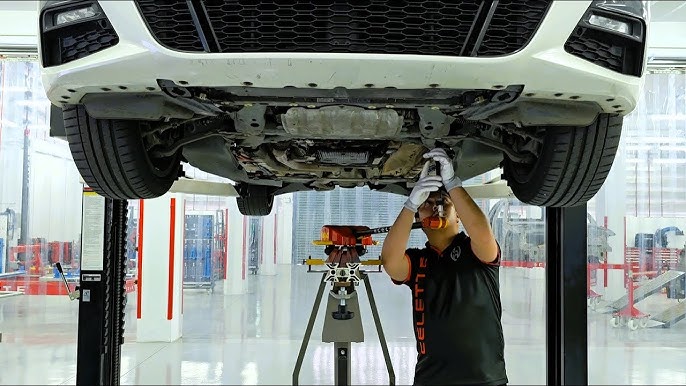
If the platform is too short or awkwardly configured, full-length measurement becomes harder. That can slow the repair, complicate verification, and make it more difficult to document the outcome confidently. For shops dealing with insurer requirements, customer expectations, or manufacturer repair procedures, that can become a serious limitation.
A purpose-built alignment bench for pickups and longer wheelbase vehicles helps avoid that issue by making the whole vehicle easier to support and assess as one structural system.
The Right Bench Can Expand Workshop Capability
This kind of equipment decision is not only about handling the jobs already coming through the door. It can also shape what work the workshop is able to take on in future. If a shop is currently limited by platform length or lifting confidence, it may turn away certain repairs, outsource part of the process, or accept work only with more compromise than it would like.
A better bench setup can change that. It can make longer vehicles more commercially viable to repair in-house and reduce the strain that oversized jobs place on technicians and workflow. In practical terms, that means more flexibility for the business and fewer situations where vehicle size becomes the deciding factor.
That is especially relevant in markets where pickups, utility vehicles, and long commercial platforms form a regular part of the repair mix.
Why Purpose-Built Equipment Makes Sense
A pickup frame alignment bench should not be seen as a niche luxury for unusual jobs. In the right workshop, it is a sensible response to a very specific repair challenge. Longer vehicles need proper support, stable lifting, and accessible measurement across the full structure if repairs are to be carried out accurately and efficiently.
When equipment is designed around those needs instead of being adapted from shorter-car applications, the whole repair process tends to become more controlled. For workshops that handle extended vehicles regularly, that difference can be significant.