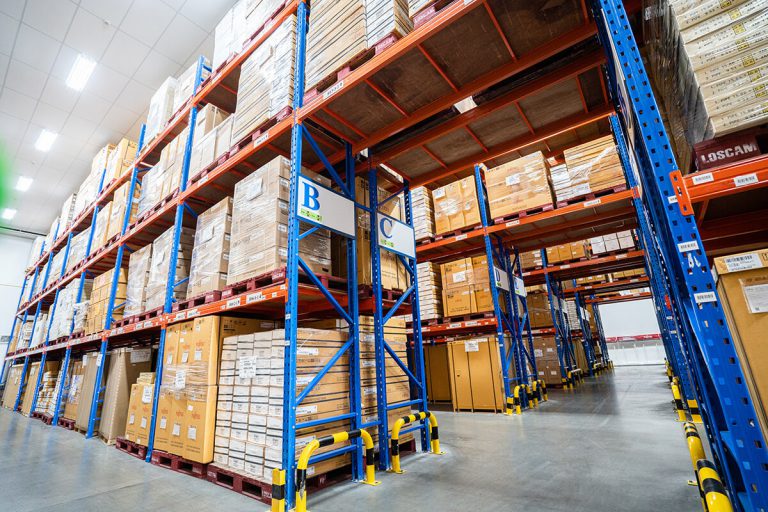
A warehouse is often seen as a place where goods simply wait, but a well-run distribution operation does far more than store stock. It affects order speed, inventory accuracy, transport planning, customer satisfaction and the ability to respond when demand changes. For businesses managing regional or national fulfilment, a distribution center in Thailand can provide a stronger base for moving products efficiently through a busy and varied market.
Storage Is Only One Part Of The Function
Modern distribution centres are built around movement as much as storage. Goods need to arrive, be checked, organised, picked, packed and dispatched in a way that supports the next stage of the supply chain.
This is different from simply placing stock on shelves. A strong facility should help products move through the system with minimal delay and confusion. Stock needs to be easy to locate, orders need to be processed accurately, and outbound deliveries need to be prepared in line with customer requirements.
When these processes work well, the distribution centre becomes an active part of business performance. It helps reduce mistakes, shorten fulfilment times and make stock easier to control.
Location Can Change The Economics Of Delivery
Thailand’s geography, transport routes, ports, industrial zones and major cities all influence distribution planning. A facility in the wrong location can add time, cost and complexity to every order.
Businesses should think carefully about where suppliers, factories, customers and transport links are positioned. A well-placed distribution centre can reduce unnecessary mileage, support faster delivery and make regional coverage easier to manage.
Location also affects resilience. If a business needs to serve Bangkok, surrounding provinces and wider national routes, the distribution setup should support those flows rather than create constant bottlenecks.
Inventory Accuracy Supports Better Decisions
Poor stock visibility creates problems across a business. Sales teams may promise items that are not available. Purchasing teams may reorder too soon or too late. Customers may experience delays, substitutions or cancelled orders.
A good distribution centre should support accurate inventory management. This includes clear stock records, organised storage systems, proper labelling, stock rotation and regular checks. The aim is to make stock information reliable enough for teams to act on confidently.
Accurate inventory also helps reduce waste and excess stock. When a business knows what it has and where it is, it can plan replenishment and fulfilment more effectively.
Different Products Need Different Handling
Not every product can be treated in the same way. Some goods are fragile, high value, bulky, time-sensitive or subject to specific handling requirements. Others may need batch control, expiry management, secure storage or careful separation.
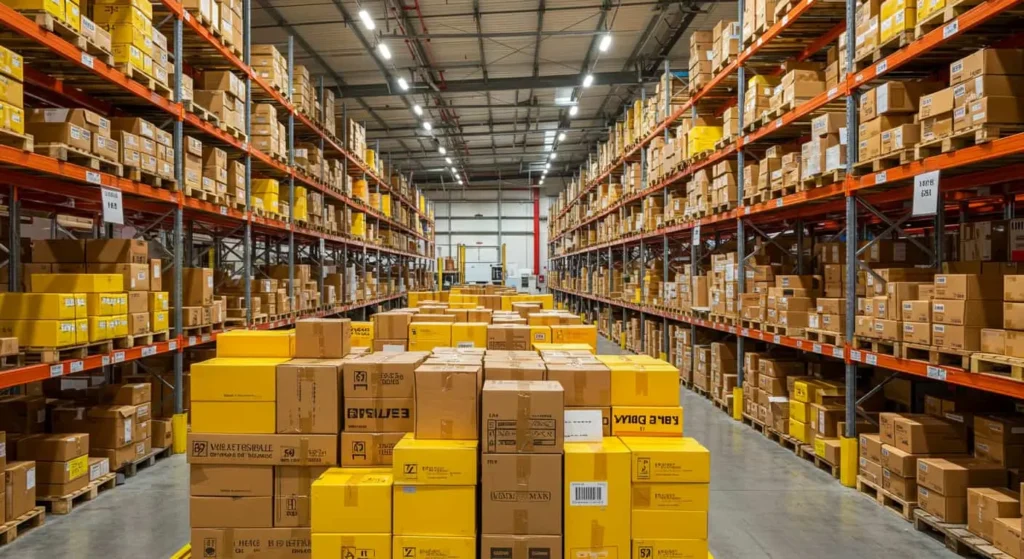
A distribution centre should be able to reflect those differences in its processes. This might involve dedicated storage zones, specialist handling equipment, quality checks or tailored picking and packing methods.
The better the operation understands the product, the less likely it is that damage, delays or fulfilment errors will occur. For businesses supplying retailers, manufacturers, ecommerce customers or B2B partners, that reliability matters.
Scalability Helps Businesses Respond To Change
Demand rarely stays perfectly steady. Seasonal peaks, promotions, new product launches, import schedules and customer growth can all create pressure on storage and fulfilment capacity.
A strong distribution setup gives businesses room to respond. It can support higher volumes, changing order profiles and more complex delivery requirements without forcing the company to rebuild its entire logistics process each time demand shifts.
This flexibility is especially useful for businesses expanding in Thailand or using the country as part of a wider regional supply chain. The ability to scale operations smoothly can protect service quality during growth.
A Good Centre Connects The Supply Chain
A distribution centre should not operate in isolation. It needs to connect with suppliers, transport teams, customer service, purchasing, sales and final delivery points. When communication is weak, even a well-equipped facility can struggle.
Integrated planning helps goods move more smoothly from arrival to dispatch. It also makes it easier to spot issues early, manage delivery schedules and keep customers informed.
The value of a distribution centre lies in how well it supports the whole journey. When location, systems, people and processes work together, businesses can move goods with greater accuracy, control and confidence. For companies operating in Thailand, that can make the difference between a supply chain that reacts to problems and one that is built to handle them properly.