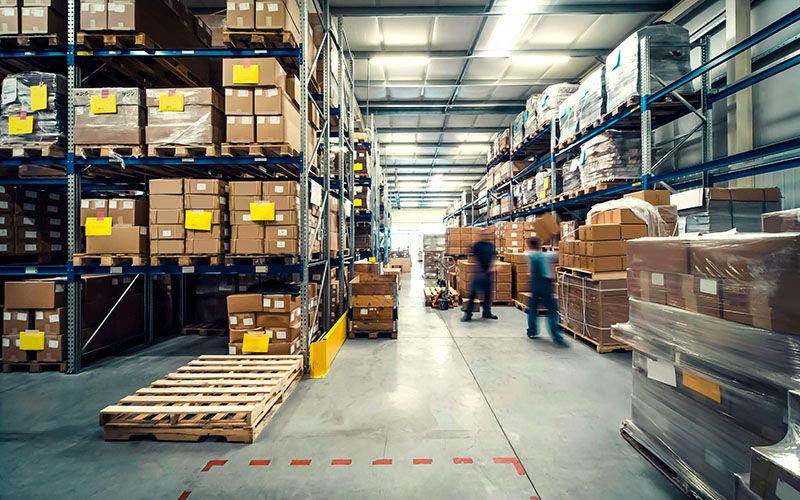
For many businesses, the right industrial property is not just a place to store goods. It can affect staffing, deliveries, workflow, customer service, stock control and long-term efficiency. A well-planned warehouse with office for rent can give companies the practical space they need for logistics and operations, while also providing a suitable working environment for management, administration and support teams.
Why Combined Space Can Be More Efficient
Separating warehouse and office functions across different locations can create unnecessary delays. Teams may need to travel between sites, communication may slow down, and decision-making can become less direct. A combined warehouse and office setup can help keep operational and administrative teams closer together.
This is useful for businesses that need quick coordination between sales, stock, dispatch, customer service, finance and logistics. If an order issue arises, office staff can speak directly with warehouse teams. If stock levels need checking, the information can be verified more quickly.
The result is often a smoother working day. When the people managing operations are near the activity itself, problems can be spotted earlier and resolved more efficiently.
Layout Should Match the Business
Not every warehouse with office space will suit every business. The layout needs to reflect how goods move through the site. Loading bays, storage zones, racking, packing areas, vehicle access, staff facilities and office positioning all affect daily performance.
A company handling high volumes of small parcels may need a different setup from one storing bulky equipment, temperature-sensitive goods or manufacturing materials. Some businesses need large open storage areas, while others need defined zones for quality checks, returns, assembly or dispatch.
The office space should also be considered carefully. It may need room for admin staff, managers, meeting areas, visitor reception, IT equipment or staff welfare facilities. A poorly planned office can be just as limiting as an unsuitable warehouse floor.
Access and Location Matter
Industrial space should be chosen with transport in mind. A good location can reduce delivery times, improve access for staff and make distribution more predictable. Proximity to major roads, ports, airports, suppliers or customer bases may all influence the decision.
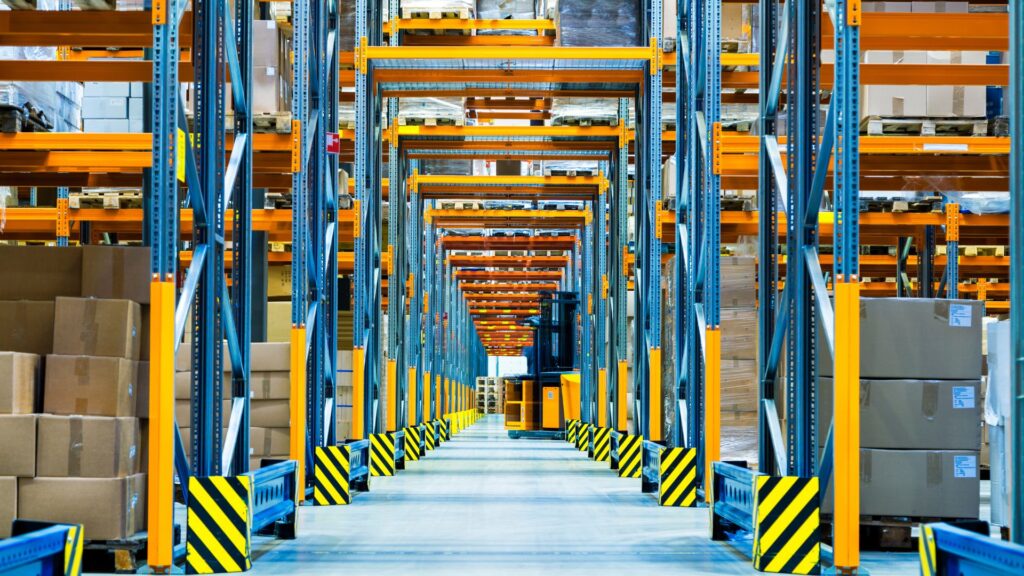
Vehicle access is especially important. Businesses should consider whether the site can handle the type and frequency of deliveries they expect. Turning space, loading areas, parking, security gates and road width can all affect efficiency.
Location also matters for recruitment. A site that is difficult for staff to reach may create hiring and retention challenges. Public transport, local amenities and commuting routes should be part of the decision, not an afterthought.
Flexibility Supports Growth
Business needs can change quickly. Stock volumes may rise, new product lines may be added, staffing levels may increase, or delivery patterns may shift. Choosing a warehouse that offers some flexibility can help avoid another move too soon.
This does not always mean taking the largest possible unit. Oversized space can increase costs unnecessarily. Instead, businesses should think about whether the property can support realistic growth over the lease period.
Questions to consider include whether racking can be adjusted, whether office space can be reconfigured, whether additional equipment can be installed and whether the site can handle higher vehicle movement if demand increases.
Practical Details Can Affect Long-Term Value
Before committing to a property, it is worth looking closely at specifications. Ceiling height, floor loading, power supply, ventilation, fire safety systems, lighting, drainage, internet connectivity and security can all affect how suitable the space is.
Some details may not seem urgent during the first viewing, but they can become costly if they do not meet operational needs. For example, insufficient power may limit machinery use, poor loading access may slow dispatch, and inadequate office facilities may affect staff productivity.
A warehouse with integrated office space can be a strong choice when it is selected around real business requirements. By focusing on layout, access, specification and future flexibility, companies can choose premises that support both everyday operations and wider commercial goals.