
Industrial metal sourcing is rarely just about finding the lowest available price. Buyers need confidence in material quality, specification, documentation, supply consistency and delivery performance. For manufacturers, traders and procurement teams comparing aluminum ingot suppliers in Thailand, the strongest choice is usually the one that can support both commercial requirements and reliable long-term supply.
Specification Comes First
Aluminium ingots may look like a straightforward commodity, but buyers still need to be clear about specification. Purity, alloy composition, grade, size, weight, tolerance and intended use all matter. A manufacturer using ingots for casting, automotive components, construction products or packaging-related applications may have different requirements from a general trader.
If the specification is unclear, the risk increases. Material that does not match production needs can lead to quality issues, reprocessing, rejected batches or delays. This is why procurement teams should define requirements carefully before comparing suppliers.
A reliable supplier should be able to provide product details clearly and support the buyer in confirming whether the material is suitable for the intended process.
Documentation Supports Trust
In international metal trading, paperwork is not a side issue. Buyers may need certificates of analysis, origin details, shipping documents, invoices, packing lists and other records depending on the transaction and destination market.
Good documentation gives buyers confidence that the material matches what has been agreed. It also helps with customs clearance, internal quality checks and onward sales where traceability is important.
Poor documentation can create delays even when the material itself is suitable. If paperwork is incomplete, unclear or inconsistent, shipments may be held up, payments may be delayed and trust between buyer and supplier can weaken.
Consistency Matters For Production Planning
Manufacturers often rely on metal inputs as part of a wider production schedule. If supply is late, inconsistent or unavailable, the impact can spread beyond the purchasing department. Production lines may slow down, customer orders may be delayed and alternative sourcing may become more expensive.
This makes consistency one of the most important parts of supplier selection. Buyers should consider whether the supplier can support regular volumes, respond to demand changes and communicate clearly if availability shifts.
A low one-off price may be less valuable than a dependable supply relationship. For businesses with ongoing production needs, reliability can be worth more than short-term savings.
Price Should Be Compared Carefully
Metal prices can move with global markets, exchange rates, freight conditions and demand changes. When comparing suppliers, buyers should look at the full landed cost, not only the headline price per tonne.
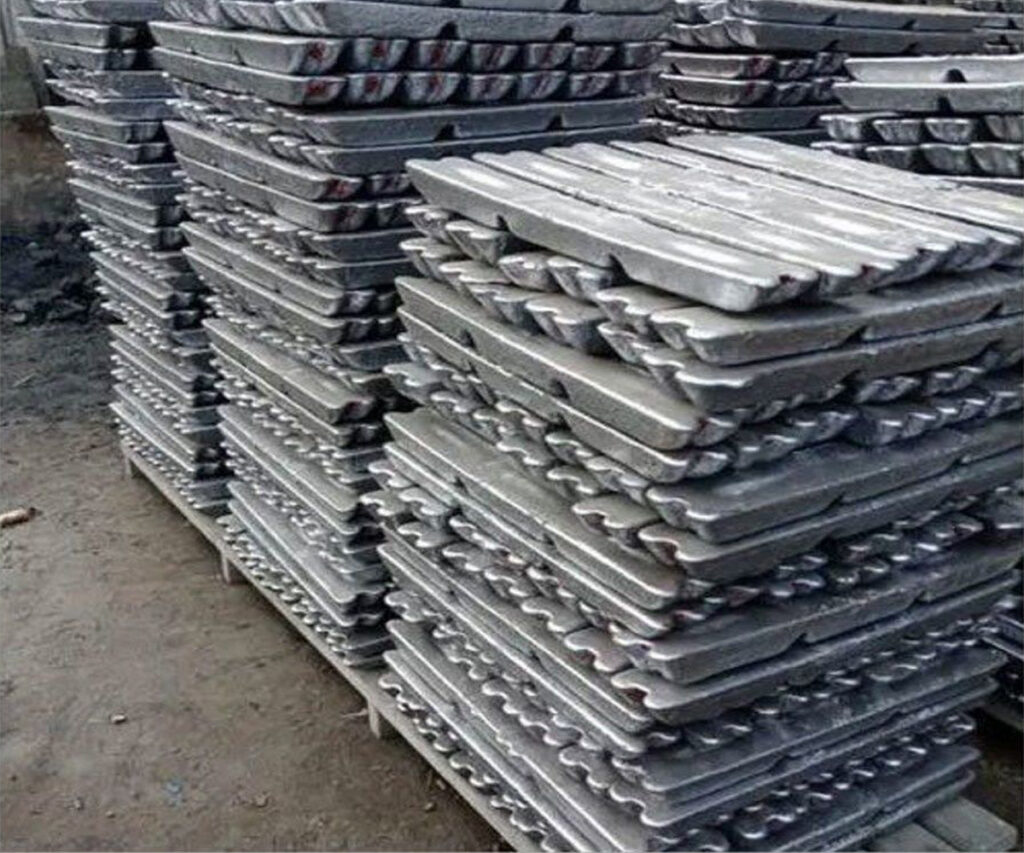
Freight, insurance, duties, port charges, payment terms, minimum order quantities and delivery timelines can all affect the real cost. A cheaper quote may become less competitive once these factors are included.
It is also useful to understand how pricing is structured. Is it linked to market movements? How long is the quotation valid? Are there additional charges for documentation, handling or specific packaging? Clear pricing reduces the chance of disagreement later.
Logistics Can Affect The Whole Transaction
Aluminium ingots are heavy industrial goods, so logistics need to be planned properly. Packaging, container loading, shipment timing, port access and delivery coordination all influence whether the transaction runs smoothly.
Buyers should also consider how the material will be received. Does the destination have suitable unloading equipment? Are there specific delivery windows? Will the buyer need storage space ready before arrival?
A supplier with strong logistics coordination can help reduce avoidable problems. Smooth delivery is especially important when buyers are working to production deadlines or resale commitments.
Supplier Relationships Should Be Built For The Long Term
Industrial sourcing works best when both sides understand each other’s expectations. Buyers need quality, timing and communication. Suppliers need clear specifications, realistic lead times and dependable commercial terms.
A strong supplier relationship can help businesses manage market changes more calmly. When demand rises, shipping delays occur or specifications need adjusting, established communication can make problem-solving easier.
Choosing a metal supplier should therefore involve more than a quick price comparison. The right partner should provide suitable material, clear documentation, reliable logistics and enough consistency to support future orders. When those elements are in place, international metal sourcing becomes far more controlled and commercially useful.