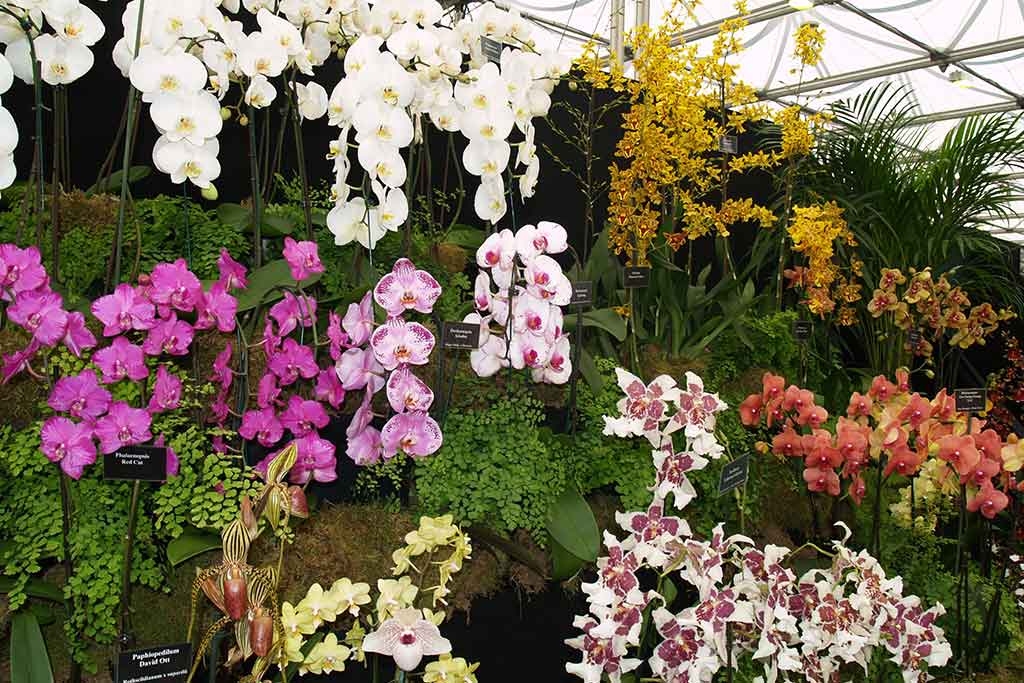
Orchids are often admired for their colour and delicacy, but commercial production depends on careful planning long before a plant reaches a customer. A professionally managed Thailand orchids farm must control light, water, nutrition, humidity and plant health across thousands of individual orchids. Consistency is achieved through repeatable growing systems rather than leaving development entirely to natural conditions.
Growing Conditions Must Be Carefully Balanced
Orchids need light to grow and flower, but excessive direct sunlight can damage leaves and place plants under unnecessary stress. Commercial farms commonly use shade structures and carefully planned growing areas to manage the amount of light reaching different varieties.
Temperature and humidity must also remain within suitable ranges. Conditions that are too dry may slow growth, while prolonged excessive moisture can encourage fungal or bacterial problems. Air circulation is therefore essential. Good airflow helps foliage and roots dry appropriately after watering and reduces stagnant pockets of humid air around the plants.
The growing medium must support the roots without remaining waterlogged. Unlike many garden plants, numerous orchid varieties naturally grow with their roots exposed to air rather than buried in dense soil. Commercial growers may use bark, coconut-based materials, charcoal or other free-draining media selected according to the orchid type and production system.
These conditions need to be adjusted as plants develop. Young orchids, established flowering plants and newly repotted specimens may not require exactly the same treatment.
Watering and Nutrition Require Precision
Watering orchids is not simply a matter of following a fixed weekly timetable. The correct frequency depends on temperature, humidity, airflow, plant size and the growing medium.
On a commercial farm, irrigation systems can deliver water efficiently across large growing areas, but they still need to be monitored. Blocked lines, uneven pressure or poor drainage can leave some plants dry while others receive too much water.
Water quality matters as well. Excessive mineral content can accumulate around roots and affect plant growth over time. Growers may therefore monitor the water supply and adjust their fertilising programme accordingly.
Orchid fertiliser must provide appropriate nutrients without creating damaging concentrations of salts. Small, carefully controlled applications are generally more useful than occasional heavy feeding. The balance may also change according to whether the priority is root development, foliage growth or flower production.
Experienced growers observe the plants rather than relying entirely on the calendar. Root colour, leaf condition and growth rate can all indicate whether irrigation or nutrition needs to be adjusted.
Plant Health Depends on Early Intervention
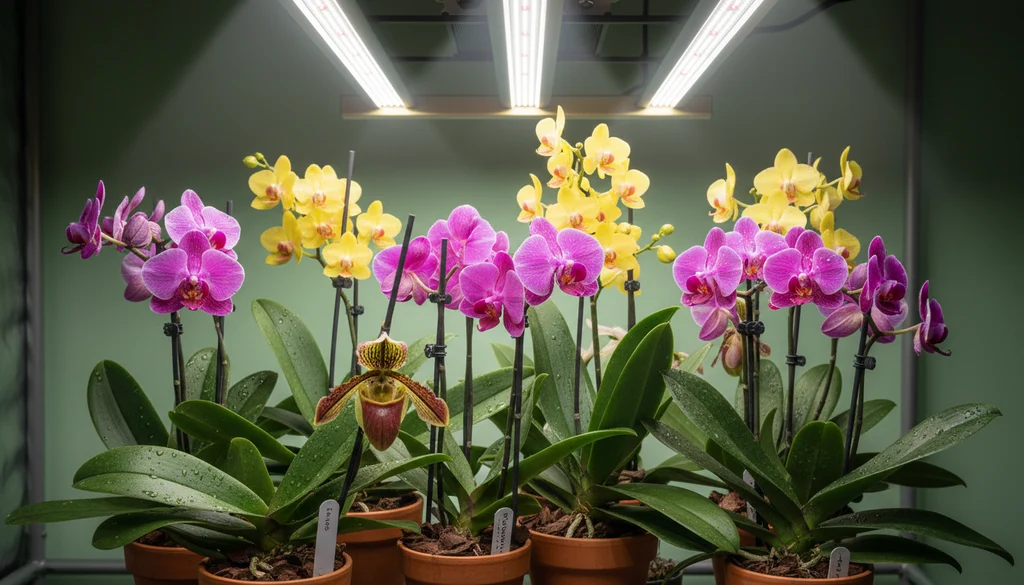
Commercial orchid production requires regular inspection because pests and diseases can spread quickly through closely arranged plants. Common problems may include scale insects, mealybugs, mites, fungal infections and bacterial decay.
Early detection allows affected plants to be separated before the issue reaches a larger part of the crop. Workers need to recognise subtle signs such as unusual spotting, distorted growth, sticky residue or changes in root condition.
Hygiene is an important part of prevention. Cutting tools, benches, pots and shared equipment should be kept clean, particularly when plants are being divided, trimmed or repotted. Dead leaves and damaged plant material should be removed rather than allowed to collect beneath growing areas.
New plants may be kept apart temporarily before joining the main collection. This gives growers time to inspect them for hidden pests or symptoms that were not visible when they arrived.
Good plant health management does not rely solely on treatments. Appropriate spacing, airflow, drainage and watering practices reduce the conditions in which many problems develop.
Quality Is Assessed Before Plants Leave the Farm
An orchid may be healthy but still unsuitable for sale or transport if its stems are weak, flowers are damaged or the plant is at the wrong stage of development. Commercial quality control therefore includes both plant health and presentation.
Growers may assess stem strength, flower shape, colour consistency and the number of buds likely to open after delivery. Plants intended for longer journeys may be selected before every flower has fully opened, allowing the remaining buds to develop closer to the point of sale.
Packaging must hold the plant securely without crushing flowers or restricting airflow unnecessarily. Temperature exposure during loading and transport also needs attention, as sudden heat or cold can damage an otherwise healthy crop.
Accurate labelling helps buyers identify varieties, colours and care requirements. For larger wholesale orders, consistent grading is especially important because customers expect plants within the same category to have a similar size and stage of flowering.
Consistency Begins With Careful Systems
Producing orchids commercially combines horticultural knowledge with daily observation. Light, water, nutrition and hygiene must be managed together, as weakness in one area can affect the entire crop.
The healthiest plants are usually the result of steady routines, early intervention and careful selection. These practices allow growers to deliver orchids that remain attractive, vigorous and better prepared for the journey from farm to customer.