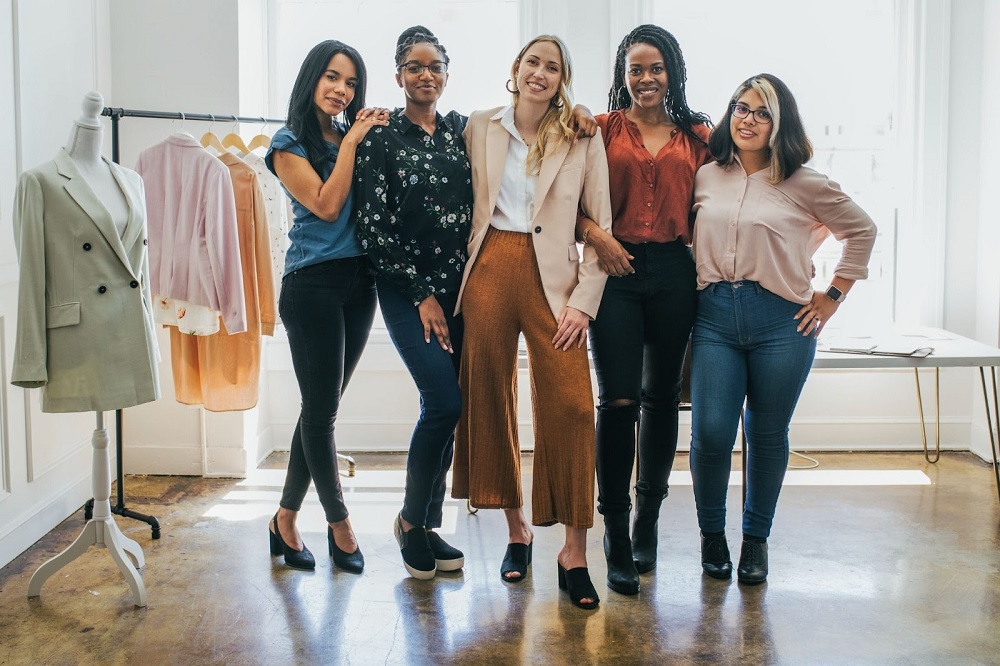
Fashion, as an ever-evolving form of art, transcends mere clothing; it embodies the spirit of an era, a reflection of society’s values, desires, and aspirations. From the vibrant streets of Paris to the bustling districts of Tokyo, fashion serves as a universal language through which individuals communicate their personalities, beliefs, and lifestyles. In its essence, fashion is not just about what we wear, but how we wear it, and why we choose to express ourselves in a particular way at any given moment in time.
Throughout history, fashion has had the power to shape, reflect, and even challenge social norms. It has been a tool for rebellion, conformity, empowerment, and cultural preservation. In a world where identity is often fluid, fashion becomes a means to negotiate one’s place in the world. The way we dress, the colors we choose, and the designers we support can tell a story far more profound than a simple preference for style. In the following exploration, we will examine fashion’s multifaceted role in society, its evolution, and its potential as a medium for self-expression and cultural dialogue.
Fashion as Personal Expression
At its most fundamental level, fashion is a means of personal expression. The clothes we choose to wear often convey a message about our tastes, lifestyles, and social standing. For many, fashion is a powerful tool for communicating who they are—whether it’s through the deliberate choice of high-end designer pieces, the embrace of minimalist aesthetics, or the subversion of traditional gender norms through clothing. The concept of personal style is inherently tied to identity, and fashion is often the first avenue through which we present ourselves to the world.
For some, fashion is an ongoing exploration of self—an opportunity to experiment with new looks, silhouettes, and colors. The fashion-forward individual is constantly reshaping their identity, reflecting their current emotional state, social circles, and even their professional aspirations. Just as the fluidity of human identity evolves over time, so too does personal style. A teenager might gravitate toward oversized streetwear in one year and then embrace tailored suits as an adult, signifying a shift in both life experience and values.
The role of social media in recent years has amplified the significance of fashion as self-expression. Platforms like Instagram, Pinterest, and TikTok allow individuals to showcase their personal style to a global audience, turning fashion into an interactive and dynamic medium. Influencers, celebrities, and everyday people alike use their wardrobes to create a narrative, often sharing the story behind their outfit choices—whether it’s a vintage dress passed down from a grandmother or a sustainably sourced piece from a local designer. The online fashion community has democratized style, allowing for a diversity of expressions that were once confined to the pages of glossy magazines or the high-fashion runways.
Fashion as Cultural Commentary
Fashion, much like art, has the power to comment on societal issues, influencing and reflecting the political and cultural climate of a given time. Throughout history, clothing has been used as a form of protest, a way to challenge or reinforce societal expectations, and an instrument of change. In the 1960s, for instance, the counterculture movement embraced unorthodox clothing, challenging the norms of the post-war era. This period saw the rise of bell-bottom jeans, tie-dye shirts, and the widespread popularity of hippie aesthetics, all of which served as symbols of rebellion against established social structures.
In more recent years, fashion has played a pivotal role in advocating for inclusivity and diversity. Designers are increasingly addressing issues of body positivity, gender fluidity, and cultural representation. The rise of plus-size models on major runways, the prominence of transgender individuals in fashion campaigns, and the celebration of multicultural aesthetics all reflect a broader societal push toward acceptance and equality. Fashion, in this sense, becomes a vehicle for social change, challenging antiquated notions of beauty, identity, and cultural appropriation.
Perhaps one of the most notable examples of fashion as cultural commentary is the use of clothing in political protests. During the 2017 Women’s March, for example, pink “pussy hats” became a symbol of solidarity and resistance, with thousands of participants wearing them to protest issues such as gender inequality and reproductive rights. Similarly, the “Black Lives Matter” movement has seen the use of fashion as a medium for advocacy, with clothing bearing powerful messages, symbols, and slogans that demand attention and action.
Fashion’s power to comment on and respond to cultural shifts is further exemplified by the ways in which it evolves in tandem with movements for racial, gender, and environmental justice. The rise of eco-conscious fashion, with brands prioritizing sustainable materials and ethical labor practices, is directly linked to the growing concern over climate change and the ethical implications of fast fashion. Designers are now creating collections that highlight the importance of sustainability, addressing the need for both style and responsibility in the consumer marketplace.
Fashion as Industry and Innovation
While fashion is often celebrated for its artistic and cultural impact, it is also one of the most influential global industries. The fashion world generates billions of dollars annually, providing jobs for millions and driving economic growth in both developed and emerging markets. From the craftsmanship of high fashion to the mass production of fast fashion, the industry is vast, diverse, and, at times, controversial.
The rise of fast fashion, characterized by quick production cycles and affordable clothing, has democratized fashion, allowing people to access the latest trends at a fraction of the cost. However, this business model has been heavily criticized for its environmental impact, including overproduction, waste, and the exploitation of cheap labor in developing countries. As consumer awareness grows, many in the fashion industry are working to address these challenges through sustainable practices, such as using eco-friendly materials, reducing waste, and ensuring fair labor conditions.
On the other end of the spectrum, luxury fashion continues to represent exclusivity and craftsmanship. High-end designers, such as Chanel, Louis Vuitton, and Gucci, have become synonymous with prestige and status, with their pieces often seen as investment items that retain value over time. The luxury fashion industry thrives on innovation, pushing the boundaries of design, materials, and technology. In recent years, this sector has embraced new technologies like 3D printing, artificial intelligence, and even virtual fashion, where consumers can purchase digital clothing for their avatars in online worlds.
The fashion industry is also seeing an exciting intersection with technology in areas like wearable tech. Companies are experimenting with fabrics that can change color, garments that monitor vital signs, and shoes that adjust to the wearer’s stride. These innovations suggest that the future of fashion will not only be shaped by creativity and culture but also by technological advancement and functionality.
Conclusion: The Enduring Significance of Fashion
Fashion, in all its forms, remains a powerful force that shapes both individual identity and collective culture. It is a medium through which we express our personalities, challenge norms, and participate in the larger conversation about society’s values and priorities. As the world continues to evolve, so too will the fashion industry, constantly adapting to new technologies, shifting cultural landscapes, and growing concerns about sustainability and inclusivity.
Fashion’s relevance is timeless. It is more than just a fleeting trend or a means of covering the body—it is a reflection of who we are and who we aspire to be. It is a language that speaks to our creativity, our heritage, our politics, and our dreams. Whether it’s the fabric we choose to wear or the message we seek to convey, fashion remains a significant part of our daily lives and our collective consciousness, an ever-changing yet enduring art form that reflects the complexities of the world we live in.