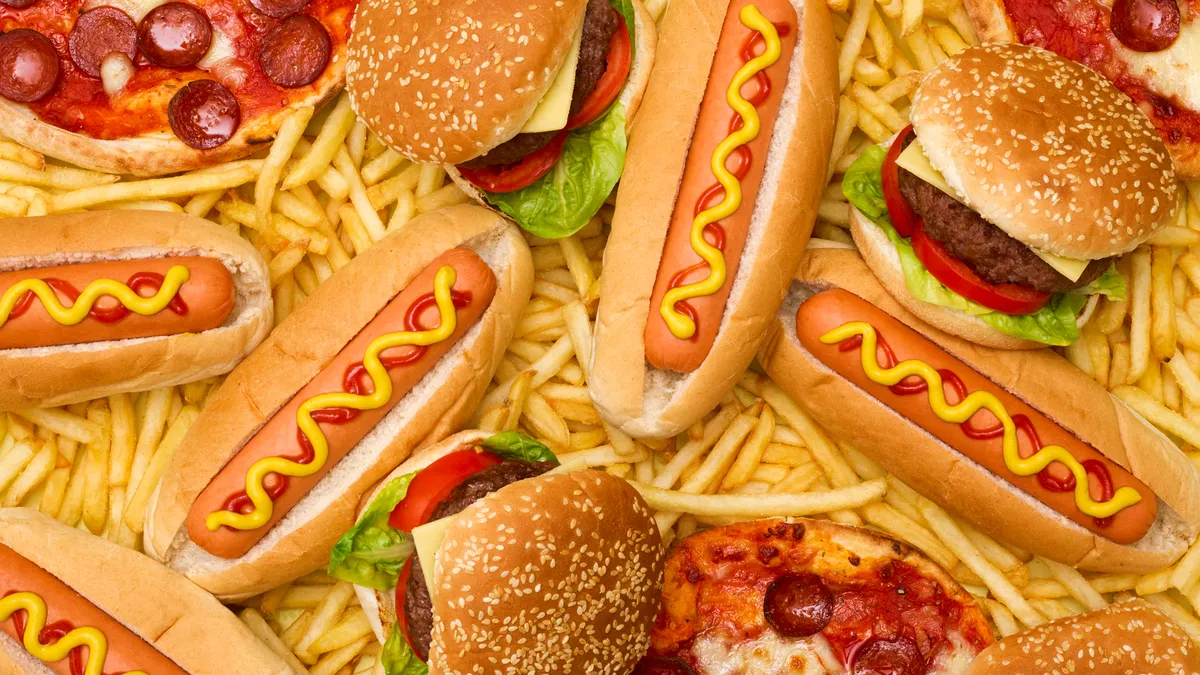
Food is one of the most profound and universal aspects of human life. It sustains us, nurtures our bodies, and connects us to both our cultural heritage and the broader world. Yet, food is not merely a necessity; it is a celebration, an expression of creativity, and a conduit for connection. Whether enjoyed in a bustling city restaurant, a quiet home kitchen, or a festive gathering, the act of eating is far more than just fueling the body—it is a sensory experience, an exploration of culture, and a shared ritual that transcends borders.
The Evolution of Food: From Survival to Pleasure
In its earliest form, food was an essential means of survival. Early humans hunted, foraged, and cultivated crops to meet their basic nutritional needs. Over millennia, as societies advanced, food began to play a more complex role. What was once simply fuel for the body evolved into a medium for creativity, art, and expression. Cultures began to develop unique cuisines, each reflecting its environment, resources, and customs.
The evolution of food, particularly in the context of human civilization, is not just about the ingredients used or the techniques developed, but also about how food became a cultural touchstone. Ancient civilizations such as the Egyptians, Greeks, and Romans were not just concerned with providing for their people, but with cultivating the pleasures of eating, infusing meals with symbolism, and even integrating food into their religious practices. Fast forward to the modern day, and we now have a sophisticated and diverse global food system, offering a vast array of flavors, textures, and combinations.
Food is no longer merely functional; it is a reflection of culture, history, and creativity. A plate of food tells the story of its origins—whether it’s the rich spices of Indian curry, the delicate freshness of Japanese sushi, or the hearty simplicity of a Mediterranean stew. The food we eat today is shaped by centuries of innovation, trade, migration, and globalization, as well as by our increasing understanding of nutrition and wellness.
Food and Identity: A Cultural Canvas
Our relationship with food is deeply intertwined with our identity. What we eat, how we prepare it, and who we share it with often form the core of our personal and cultural narratives. Every culture has its own unique food traditions, passed down through generations, that embody values, customs, and stories. For instance, the communal aspect of Italian dining, where meals are long, leisurely affairs shared with family, contrasts with the fast-paced, individualistic approach to meals that is often seen in contemporary urban settings.
In many parts of the world, food is central to social life. Consider the role of the American Thanksgiving feast, the communal Japanese tea ceremony, or the vibrant street food markets of Southeast Asia. These food practices are far from mere eating; they are rituals that reflect the values and social fabric of each community. In many ways, the shared experience of food reinforces our connections to others, helping to bridge differences and strengthen bonds.
Moreover, food has always been a marker of cultural pride and identity. The foods of a nation or region tell the story of its geography, its economy, its climate, and its people. Mexican cuisine, for example, with its corn-based dishes like tacos and tamales, speaks to the country’s agricultural roots, while French cuisine, known for its meticulous preparation and use of local ingredients, reflects centuries of culinary refinement. Even in the United States, which is often characterized by its melting pot culture, regional dishes such as Southern barbecue, New England clam chowder, or New Orleans gumbo reveal distinct histories and identities.
The Rise of Gastronomy: Food as Art
Over the past century, food has undergone a transformation from mere sustenance to something that can be appreciated as art. In fine dining, the boundaries between food and art have become increasingly blurred. Renowned chefs such as Ferran Adrià, René Redzepi, and Massimo Bottura have elevated cooking to an intellectual pursuit, blending creativity, science, and technique to produce gastronomic masterpieces that are as visually stunning as they are delicious.
Modern gastronomy is about more than just taste—it’s about the experience. The presentation of a dish, the balance of textures and flavors, and even the atmosphere of the dining environment all contribute to the overall enjoyment. A meal is now seen as an immersive experience, one that stimulates all the senses. The plate becomes a canvas, with each ingredient placed thoughtfully to create a work of art. The rise of molecular gastronomy, where chefs experiment with chemistry and physics to create innovative textures and flavors, exemplifies how food is no longer confined to traditional culinary boundaries.
Additionally, the influence of food photography and social media has brought the aesthetic value of food to the forefront. Platforms like Instagram have made the visual appeal of food a key part of its enjoyment. What was once confined to high-end restaurants is now available at every level of dining. A well-plated dish can generate as much excitement as its taste, and the sharing of food experiences online has turned eating into a global spectacle.
The Health and Sustainability of Food
As our understanding of nutrition has advanced, the role of food in maintaining health and well-being has become increasingly significant. In recent decades, there has been a growing awareness of the importance of a balanced diet, with an emphasis on whole foods, plant-based ingredients, and the reduction of processed foods. People are more mindful than ever about what goes into their bodies, with trends such as organic food, gluten-free diets, and the paleo and keto movements gaining traction.
However, alongside this focus on personal health, there has also been an increasing awareness of the environmental impact of food production. The global food industry is one of the largest contributors to climate change, with agriculture, transportation, and waste all playing significant roles. This has led to a push for sustainable practices, including the promotion of local sourcing, plant-based diets, and the reduction of food waste. As consumers become more environmentally conscious, they are seeking out foods that are not only good for their bodies but also good for the planet.
The rise of plant-based diets, for instance, reflects growing concerns about the environmental footprint of animal agriculture, which is responsible for a significant portion of greenhouse gas emissions, deforestation, and water usage. Alternative protein sources, such as plant-based meats and lab-grown meat, are making headlines as potential solutions to feeding a growing global population while minimizing ecological harm. Similarly, initiatives like farm-to-table dining, urban farming, and zero-waste cooking are part of a broader movement towards a more sustainable and ethical food system.
Conclusion: A Shared Human Experience
Food, in all its myriad forms, is much more than a basic necessity. It is a reflection of our identities, a vehicle for cultural expression, and a catalyst for connection. It unites us at the dinner table, defines the rituals of our celebrations, and nurtures both our bodies and our spirits. From humble street food vendors to Michelin-starred restaurants, food brings people together across divides of class, nationality, and belief.
As the world faces growing challenges related to health, sustainability, and climate change, our approach to food must continue to evolve. But at its heart, food will always be a fundamental part of the human experience—something that nourishes not only our bodies but also our communities, cultures, and creativity. Through food, we continue to explore and celebrate the richness of life itself.