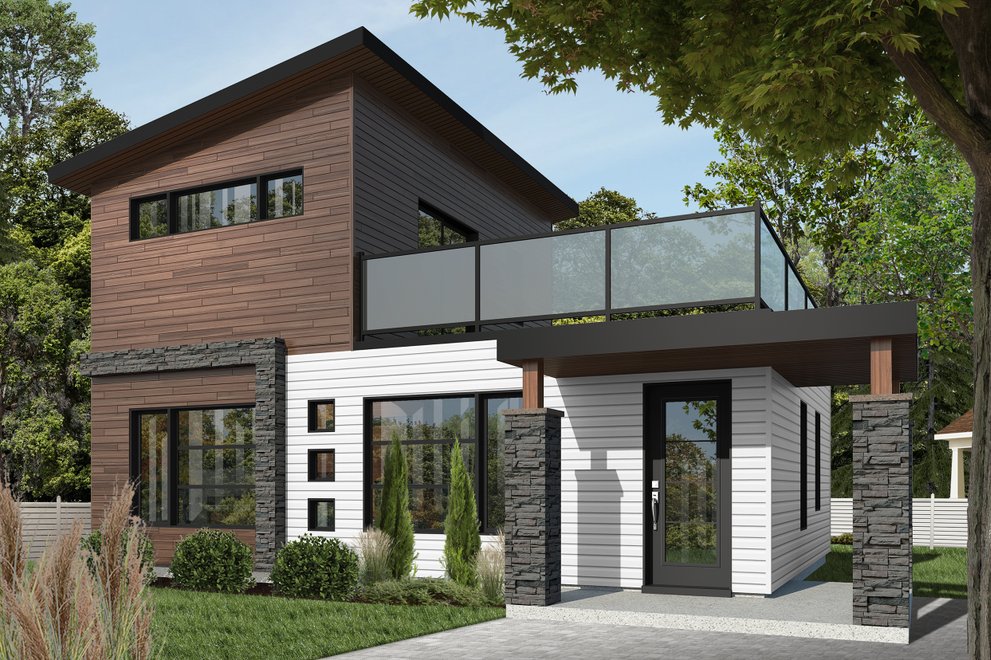
For decades, the standard approach to residential architecture prioritized industrial efficiency and sterile, minimalist aesthetics. The goal was often to create a seamless, easy-to-clean environment that felt detached from the unpredictable chaos of the outdoors. However, a significant paradigm shift is currently reshaping the housing industry. Biophilic design—a philosophy that emphasizes the connection between humans and the natural world—has graduated from a niche architectural concept to an essential standard in modern construction.
Homeowners, architects, and developers are increasingly recognizing that the human need for nature is not merely an aesthetic preference but a fundamental requirement for psychological and physiological health. As our lives become increasingly digital and sedentary, the home is no longer just a place to sleep; it is becoming a sanctuary that must support cognitive function, stress reduction, and overall well-being. This shift is not driven by decoration but by structural decisions that integrate nature into the very bones of a building.
The Evolutionary Necessity of Biophilia
To understand why biophilic design is becoming standard, one must first look at human evolutionary history. For nearly the entirety of our existence, humans lived in direct contact with natural environments. We are biologically wired to respond positively to natural light, fresh air, organic textures, and complex, shifting patterns like those found in foliage or flowing water. Our nervous systems evolved to feel safe and alert in nature, yet modern urban living forces us to spend roughly ninety percent of our time indoors, trapped in environments characterized by sharp angles, artificial lighting, and synthetic materials.
This disconnection from nature creates a sensory environment that is often too monotonous or too chaotic, leading to chronic stress and mental fatigue. When a home is designed with biophilic principles, it bridges this gap. It provides the visual and tactile cues our brains crave, essentially tricking our nervous systems into a state of recovery even while we are inside. This is why modern builders are moving away from the white-box mentality and toward designs that acknowledge human biology.
Core Pillars of Biophilic Integration
Biophilic design is not simply about filling a room with potted plants, although greenery is a component. It is a comprehensive framework that incorporates three main categories of nature-inspired design. Understanding these pillars helps clarify why this approach is becoming the blueprint for new construction.
-
Direct Experience of Nature: This involves bringing actual natural elements into the home. This includes passive solar design to maximize daylight, the inclusion of water features that provide rhythmic sound, natural ventilation systems that invite cross-breezes, and robust indoor gardens or living walls.
-
Indirect Experience of Nature: This refers to the use of natural materials, colors, and geometries that evoke the feeling of nature without being nature itself. Architects are favoring materials like raw wood, natural stone, bamboo, and cork. They are also utilizing biomorphic forms—shapes that are contoured and curved rather than perfectly rectangular—to mimic the patterns found in biological structures.
-
Space and Place: This pillar focuses on the psychological comfort of the home layout. It utilizes the concepts of prospect and refuge. Prospect refers to creating spaces with long-range views that provide a sense of openness and security, while refuge refers to creating cozy, protected nooks where inhabitants can feel safe and withdrawn from the rest of the house.
The Economic Argument for Biophilic Standards
While the health benefits are a major driver, the rise of biophilic design is also powered by economics. In the competitive real estate market, value is defined by the quality of the living experience. Homes that offer a seamless transition between indoor and outdoor spaces command higher market prices and sell faster than their purely utilitarian counterparts.
Developers are realizing that sustainable, nature-focused design acts as a long-term asset. Features like large-scale glazing, which invites natural light, reduce the need for daytime artificial lighting, thereby lowering energy costs. Natural ventilation strategies can reduce the load on HVAC systems. Moreover, the focus on biophilia often aligns with sustainable building practices, such as sourcing local, non-toxic materials. By creating a home that is healthier to live in, developers create a product that is more attractive to health-conscious buyers who are willing to pay a premium for environments that support their long-term well-being.
Transforming the Modern Floor Plan
The modern home is undergoing a structural renovation under the influence of biophilia. The days of compartmentalized, windowless rooms are fading. Instead, modern builds are focusing on flow and transparency.
-
Circadian Lighting Design: Modern builders are no longer just installing light fixtures; they are designing for light quality. This means positioning windows to capture the morning sun and designing layouts that allow natural light to penetrate deep into the interior, helping to regulate the internal body clock of the residents.
-
Blurring the Boundary: Architects are using retractable glass walls, wide patio doors, and seamless transitions between indoor flooring and outdoor decking to make the backyard an extension of the living room. This creates an expansive feeling even in smaller footprints.
-
Nature-Inspired Color Palettes: Interior design is shifting away from stark grays and sterile whites toward earthy, grounded tones. These colors create a calming atmosphere and act as a neutral backdrop for the textures of natural wood or stone.
-
Fractal Geometry: We are seeing an increase in the use of patterns that mimic nature—such as the intricate, repetitive structures found in trees, leaves, and snowflakes. These patterns are visually complex yet soothing, providing the brain with the right amount of sensory stimulation without causing overload.
Addressing the Mental Health Crisis Through Architecture
Perhaps the most compelling reason biophilic design is becoming standard is the growing awareness of the mental health benefits. We live in an era of digital overload. Constant connectivity means our attention is constantly fragmented. A home designed with biophilic principles offers a refuge from this intensity.
When an individual spends time in a space that incorporates water sounds, soft natural light, and organic textures, their cortisol levels—the primary stress hormone—tend to decrease. Cognitive recovery occurs much faster in these environments. By integrating these elements into the home, builders are essentially creating a preventative health tool. It is a proactive approach to mental wellness that does not require the resident to actively “do” anything. The architecture itself does the work of restoring their focus and calm.
The Long-Term Outlook for Residential Construction
The transition toward biophilic standards is not a passing design fad. It represents a fundamental change in how we perceive the purpose of our dwellings. We are moving away from viewing the house as a machine for living and toward viewing it as an ecosystem for living. As building technology advances, we can expect to see even more integration of smart systems that manage air quality, water filtration, and lighting to mimic the rhythms of nature.
For the modern homeowner, this means that the bar has been raised. A home that feels like a bunker, regardless of how high-end the finishes are, is increasingly viewed as obsolete. People are demanding spaces that make them feel alive, energized, and connected. Biophilic design satisfies this demand by turning the home into a place of replenishment, making it a standard that is here to stay.
Frequently Asked Questions
Is biophilic design only possible in large, expensive custom homes?
Not at all. While large, custom builds often feature the most dramatic applications, biophilic design principles are highly scalable. Even in a small apartment or a standard suburban build, you can apply these principles by focusing on maximizing natural light, incorporating indoor plants, using natural materials for furniture and decor, and utilizing color palettes that mimic the natural world. It is a design philosophy about intentional choices rather than just square footage.
How does biophilic design affect the energy efficiency of a home?
Biophilic design often goes hand-in-hand with energy efficiency. By utilizing passive solar design—which involves placing windows and thermal mass strategically—you can naturally heat and cool a home, reducing the reliance on artificial climate control. However, it requires careful engineering. For example, large windows must be high-performance, double- or triple-paned glass to ensure that the influx of light does not result in heat loss during the winter or excessive heat gain during the summer.
Are indoor plants a requirement for a biophilic home?
Plants are the most recognizable element of biophilia, but they are not a requirement. If you cannot maintain living plants, you can still achieve a biophilic environment through other means. You can use wood and stone textures, incorporate images or artwork depicting nature, utilize organic shapes in your architectural layout, and emphasize natural lighting. The goal is to evoke the presence of nature, not necessarily to create an indoor greenhouse.
What is the difference between biophilic design and general eco-friendly architecture?
While they overlap, they are distinct. Eco-friendly architecture focuses primarily on the environmental impact, such as minimizing the carbon footprint, reducing waste, and improving water efficiency. Biophilic design focuses on the human experience of the building and how the structure affects our psychological and physiological health. A building can be incredibly eco-friendly—made of recycled concrete with no windows—but it would not be biophilic. Ideally, modern builds combine both.
Can biophilic design help with sleep quality?
Yes, it can be very beneficial for sleep. Biophilic design emphasizes the importance of circadian lighting. By utilizing window placements that allow for natural morning sunlight exposure and designing bedrooms that can be fully darkened at night, you help regulate your body’s natural sleep-wake cycle. Furthermore, using non-toxic, natural materials in the bedroom reduces exposure to synthetic chemicals, creating a cleaner, more restorative sleeping environment.
Does the use of natural materials like wood and stone make a home harder to maintain?
Some natural materials do require more care than synthetic alternatives, such as laminate or vinyl. Wood floors may need refinishing, and natural stone may need periodic sealing. However, many people find that the aesthetic and tactile rewards outweigh the maintenance requirements. Additionally, modern sealants and finishes have made natural materials much more durable and easier to care for than they were in the past.
Will biophilic design eventually go out of style?
Biophilic design is based on the immutable biological reality of human needs, not on aesthetic trends or fashion. While specific styles of furniture or architectural trends may change, the fundamental human need for nature will not. As long as humans remain biological entities, environments that support our natural rhythms and psychology will remain valuable. It is a human-centric approach that is as timeless as nature itself.