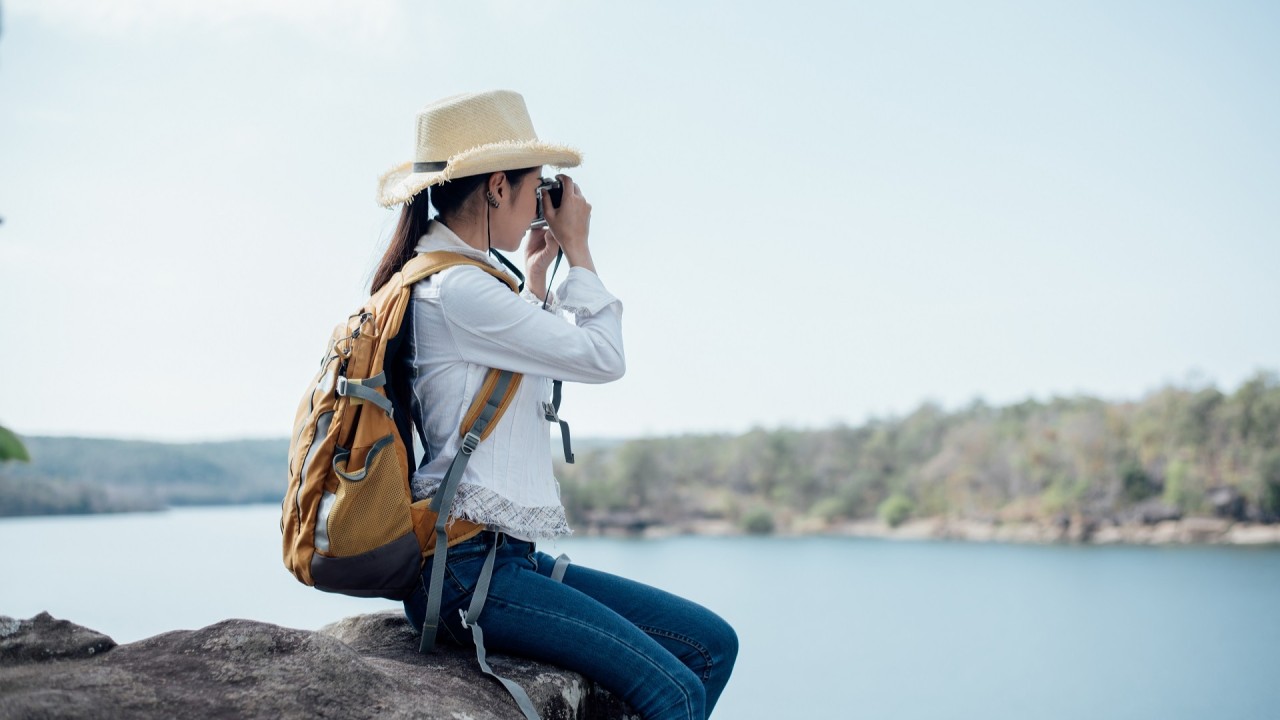
Stepping out into the world on a solo journey is one of the most liberating decisions a person can make. Traveling alone offers complete autonomy over your schedule, fosters profound self-reliance, and forces you to engage with new cultures in a way that group travel rarely permits. However, for a beginner, the prospect of navigating unfamiliar territories without a familiar safety net can induce significant anxiety.
The key to a successful and empowering solo trip does not lie in avoiding risk entirely, as some level of unpredictability is inherent to exploration. Instead, it lies in thorough preparation, situational awareness, and proactive risk mitigation. By establishing sound safety habits before and during your journey, you can minimize vulnerabilities and focus whole-heartedly on the transformative experience of travel.
The Psychology of Safety and Situational Awareness
Safety on the road is less about rigid rules and more about cultivating a specific mindset. In psychology, situational awareness refers to the ability to perceive, understand, and effectively respond to your immediate environment. When traveling with others, individuals often experience a phenomenon known as social loafing, where they subconsciously rely on their companions to monitor surroundings, navigate, and make decisions.
When you travel solo, you must assume full responsibility for your environment. This requires balancing an open, curious attitude with an underlying layer of alertness. Being aware of your surroundings does not mean operating from a place of fear; rather, it means observing patterns, recognizing anomalies, and trusting your intuition when an environment or interaction feels misaligned.
Pre-Departure Preparation: Building Your Information Foundation
A significant portion of solo travel safety occurs before you ever board an airplane or train. Comprehensive research allows you to navigate an unfamiliar destination with confidence rather than apparent confusion, which is a key trait that pickpockets and scam artists look for.
Thorough Destination Intelligence
-
Identify the specific neighborhoods that are considered safe for walking at night, as well as the areas that locals recommend avoiding.
-
Understand the most reliable and secure forms of public transportation. Research the official taxi system of your destination or find out if trusted ride-sharing applications are widely used.
-
Familiarize yourself with common localized scams. Every major tourist hub has its unique varieties of deception, from rigged taxi meters to distraction tactics in crowded squares. Knowing these methods in advance makes you significantly less likely to fall victim to them.
Communication and Digital Infrastructure
Maintaining a reliable link to the outside world is a critical element of safety. Modern technology makes it incredibly simple to remain connected, ensuring that you can access mapping tools, translation services, and emergency help whenever needed.
Securing Mobile Connectivity
-
Acquire a local subscriber identity module card, commonly known as a SIM card, or set up an international electronic SIM profile on your phone immediately upon arrival. Relying solely on intermittent public wireless networks leaves you vulnerable to data security risks and can leave you stranded without maps when navigating.
-
Invest in a high-capacity portable power bank and carry it with you during day trips. A dead smartphone battery removes your primary navigation and communication tool, which can quickly turn a minor inconvenience into a stressful safety hazard.
-
Download offline maps of your destination city via mapping applications. This ensures you can find your way back to your accommodation even if you temporarily lose mobile data reception.
Financial Security and Asset Protection
Losing access to your funds while traveling alone can be a major logistical nightmare. Protecting your financial assets requires duplication and strategic distribution across multiple locations.
Implementing the Diversification Strategy
-
Never carry all of your cash, credit cards, and identification documents in a single wallet or bag. Keep a primary debit card and a minimal amount of cash on your person, while leaving a backup credit card, secondary identification, and emergency cash locked securely in your accommodation.
-
Notify your financial institutions of your travel itinerary before your departure date. Sudden, unexpected international transactions can trigger automatic fraud alerts, freezing your accounts and leaving you without immediate purchasing power.
-
Utilize automated teller machines that are located physically inside reputable banking institutions rather than standalone machines on the street. Indoor machines are much less likely to be fitted with card-skimming devices or targeted by opportunistic thieves.
Navigating Accommodations Safely
Your accommodation should serve as a secure base camp where you can fully lower your guard and rest without anxiety. Whether you prefer hostels, boutique hotels, or private apartment rentals, specific safety protocols should always be observed.
Choosing and Verifying Your Lodging
-
Prioritize accommodations that offer twenty-four-hour front desk security or controlled electronic entry systems, particularly if you anticipate arriving late at night.
-
Read recent reviews written specifically by other solo travelers on booking platforms. Pay close attention to comments regarding the surrounding neighborhood safety, lighting conditions at night, and the helpfulness of the staff.
-
Upon entering your room, verify that all window and door locks function correctly. If a lock is broken, immediately request a room change from the management rather than accepting a compromised space.
The Art of Low-Profile Integration
The more you look like an affluent, confused tourist, the more attention you will draw to yourself. Integrating quietly into your surroundings reduces your profile and makes you a much less appealing target for petty crime.
Blending into the Local Landscape
-
Dress in a manner that aligns with local cultural norms. In many regions of the world, wearing overly casual, revealing, or flashy clothing can be interpreted as disrespectful or draw unwanted attention.
-
If you need to consult a map or research directions, step inside a café, shop, or hotel lobby to look at your phone rather than stopping abruptly in the middle of a crowded sidewalk with a confused expression.
-
Carry yourself with physical confidence. Maintain a steady walking pace, keep your shoulders back, and look directly ahead. Attackers and thieves naturally gravitate toward individuals who appear lost, distracted, or visually vulnerable.
Thorough planning and understanding global safety trends can greatly reduce stress for first-time solo explorers. The map below outlines regions historically recognized for high safety standards, offering excellent starting points for beginner travelers looking to build their confidence.
Navigating Social Interactions and Setting Boundaries
One of the great joys of solo travel is meeting new people, including fellow travelers and welcoming locals. However, sharing too much information too quickly can create security vulnerabilities.
Guarding Your Personal Details
-
Be cautious about disclosing that you are traveling entirely alone. If an inquisitive stranger asks, it is perfectly acceptable to use a white lie, mentioning that you are on your way to meet a spouse, friend, or tour group nearby.
-
Never reveal the specific name or location of the hotel or hostel where you are staying to someone you have just met. If you arrange to meet a new acquaintance later, choose a highly visible, neutral public landmark.
-
Maintain control of your physical state when consuming alcohol. Enjoying nightlife is a wonderful part of travel, but intoxication severely impairs your judgment, slows your reaction times, and disrupts your situational awareness.
Creating an External Safety Network
Even though you are physically exploring the world on your own, you should never be completely off the grid. Establishing a reliable communication loop with someone back home adds an essential layer of security.
Keeping Trusted Contacts Informed
-
Share your complete itinerary, including flight numbers, train schedules, and accommodation addresses, with a family member or trusted friend before you leave.
-
Establish a predictable check-in schedule, such as a quick text message every evening or morning. Ensure your contact person knows what steps to take or whom to contact if you fail to check in within a designated timeframe.
-
Utilize secure digital document storage. Scan copies of your passport, travel insurance policy, visas, and medical records, and upload them to a secure cloud platform. Share access to this folder with your primary contact person so it can be retrieved instantly in an emergency.
Frequently Asked Questions
What should I do if my passport is lost or stolen while I am traveling abroad?
If your passport disappears, your first step is to file a formal police report with the local authorities to document the theft or loss. Next, locate the nearest embassy or consulate of your home country. You will need to visit the embassy in person to apply for an emergency passport, which will allow you to continue your journey or return home. Having a digital scan of your original passport stored in the cloud will significantly expedite this replacement process.
Is purchasing comprehensive travel insurance absolutely necessary for solo trips?
Yes, comprehensive travel insurance is non-negotiable for responsible solo travel. A robust policy protects you from catastrophic financial losses resulting from unexpected medical emergencies, hospitalizations, trip cancellations, or lost baggage. If you are injured or become seriously ill while alone, travel insurance companies often provide emergency medical evacuation services and 24-hour helplines to coordinate your care, which is vital when you do not have a companion to advocate for you.
How can I effectively handle unwanted attention or persistent street harassment?
If you face persistent unwanted attention, the most effective response is firm, direct, and non-confrontational boundary setting. Avoid smiling or engaging in polite small talk out of obligation. State clearly that you wish to be left alone, maintain moving toward a populated area, and do not look back. If the person continues to follow you, immediately step into a public establishment like a store, restaurant, or hotel lobby and inform the staff or security personnel of the situation.
Should I join organized group day-tours as a solo traveler, or stick entirely to independent exploring?
Mixing independent exploration with organized day-tours is an excellent strategy, particularly for beginners. Joining a guided day-tour allows you to navigate complex or remote sights safely under the supervision of a local expert. It also alleviates the cognitive fatigue of constant planning and provides a structured, low-pressure environment to interact with other travelers, balancing your solo time with social connection.
How do I manage the intense feelings of loneliness that often strike during a solo trip?
Loneliness is a completely natural aspect of the solo travel experience and should not be viewed as a sign of failure. To counter this feeling, seek out communal environments. Stay in hostels that feature common rooms, book walking tours, or visit local coffee shops where you can sit and observe the rhythm of daily life. Engaging in comforting routines from home, such as reading a book or calling a friend, can also help ground you until the emotion passes.
What is the safest way to handle luggage when I need to use the restroom at a train or bus station?
When traveling alone, your luggage must stay with you at all times; never leave it unattended or under the supervision of a stranger, no matter how friendly they appear. To make restrooms manageable, travel with a single backpack or a compact rolling suitcase that can easily fit inside a standard toilet stall with you. Avoid over-packing with multiple loose bags that are difficult to physically manage or secure simultaneously.