
Some meals are chosen for convenience, while others become an occasion in their own right. Travellers researching michelin restaurants in Samui are often looking for more than polished presentation. Ingredient quality, technical skill, a clear culinary identity and consistent service all contribute to a dining experience that feels distinctive enough to shape an evening or even influence a travel itinerary.
A Strong Menu Has a Clear Point of View
Memorable restaurants rarely try to offer every possible style of food. Instead, the menu usually reflects a recognisable approach, whether that centres on local seafood, regional cooking, contemporary techniques or a thoughtful combination of influences.
A clear identity does not mean every dish must be complicated. Simple food can be exceptional when the ingredients are carefully sourced and the cooking is precise. A piece of fish grilled accurately, served with a balanced sauce and seasonal vegetables may demonstrate more confidence than a plate containing numerous decorative elements.
Diners can learn a great deal from the menu before making a reservation. Consider whether the dishes feel connected to one another and whether the ingredients reflect the setting. On an island, local produce and seafood can give the meal a stronger sense of place, particularly when the kitchen avoids treating them as interchangeable luxury ingredients.
Menus that change according to season or supply may also indicate that the restaurant adapts to what is available rather than forcing the same dishes throughout the year.
Technique Should Support the Ingredients
High-level cooking involves skill, but technique should improve the flavour and texture of the food rather than draw attention away from it.
Seafood provides a useful example. Overcooking can quickly make delicate fish dry, while poorly handled shellfish may become tough. Accurate timing, temperature control and careful seasoning allow the natural characteristics of the ingredient to remain clear.
Sauces, garnishes and contrasting textures should have a purpose. Acidity can balance richness, while a crisp element may add interest to a softer dish. The strongest plates feel complete because each component contributes something useful.
Presentation matters, but it should not make the meal difficult to eat. Food arranged beautifully yet served at the wrong temperature or divided into awkwardly small portions is unlikely to feel satisfying. Technical confidence is often most apparent when a dish appears effortless.
Diners should also consider consistency across the meal. One outstanding course can be memorable, but a destination restaurant should maintain a high standard from the opening bite to dessert.
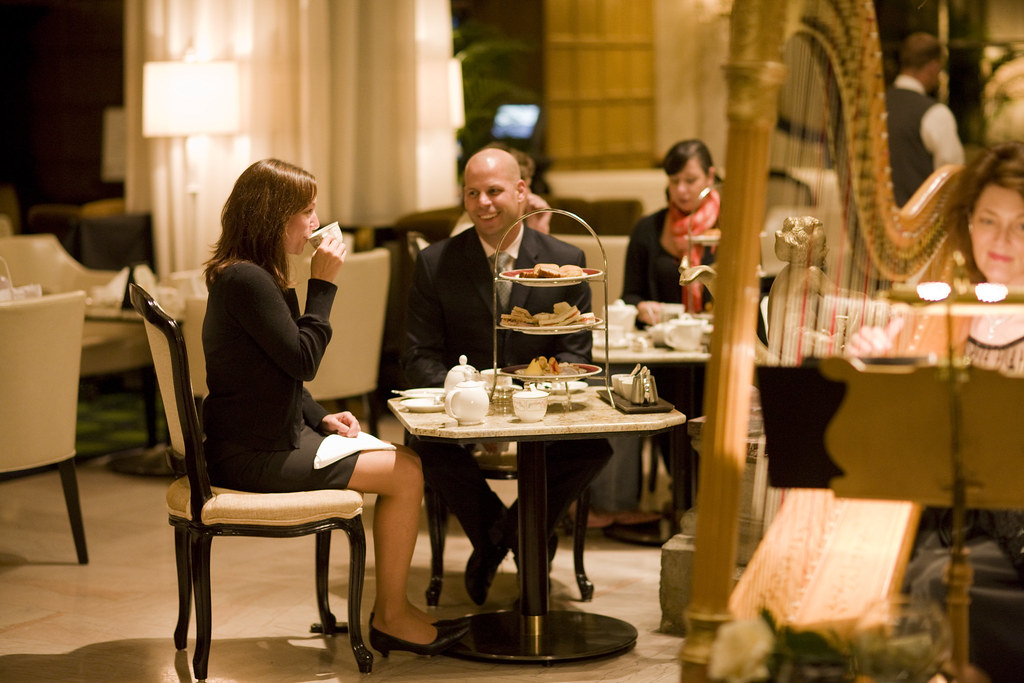
Service Shapes the Entire Experience
Excellent food can be diminished by service that feels rushed, inattentive or overly formal. The best restaurant teams adjust their approach to the table while maintaining professionalism.
Staff should understand the menu well enough to explain ingredients, preparation methods and portion sizes. Recommendations should reflect what the guest has asked for rather than simply directing everyone towards the most expensive dishes.
Timing is equally important. Courses should arrive at a pace that allows conversation without creating long, unexplained gaps. Water and drinks should be monitored discreetly, and any delays should be communicated clearly.
Good service is particularly valuable when diners are unfamiliar with local ingredients or ordering formats. A confident explanation can make an unusual dish feel approachable without removing the sense of discovery.
Dietary needs should also be handled carefully. Guests should explain allergies or restrictions when booking, giving the kitchen enough notice to prepare suitable alternatives. A well-trained team will communicate what can be adapted rather than making promises that cannot be delivered safely.
Atmosphere Must Match the Style of Dining
The room, lighting, music and view all influence how a meal is experienced. A refined restaurant does not necessarily need to feel quiet or formal, but its atmosphere should support the food and the occasion.
Coastal dining may include open-air seating and views across the water. These features can make the evening feel special, although comfort remains important. Shade, airflow, weather protection and well-spaced tables matter just as much as scenery.
Noise levels should allow guests to speak comfortably. Music can add energy, but it should not compete with conversation unless the venue is intentionally designed around a livelier experience.
The table setting also reveals attention to detail. Comfortable chairs, suitable glassware and enough space between courses make a long meal more enjoyable without becoming the focus of attention.
Value Is About More Than Price
A notable restaurant does not need to be inexpensive, but the experience should feel considered from beginning to end. Diners are paying for ingredients, skill, staffing, setting and the confidence that each detail will be handled consistently.
The most rewarding meals leave a clear memory of place and flavour rather than simply a large bill or elaborate presentation. When the menu, service and atmosphere share the same sense of purpose, dining becomes an experience worth planning around.