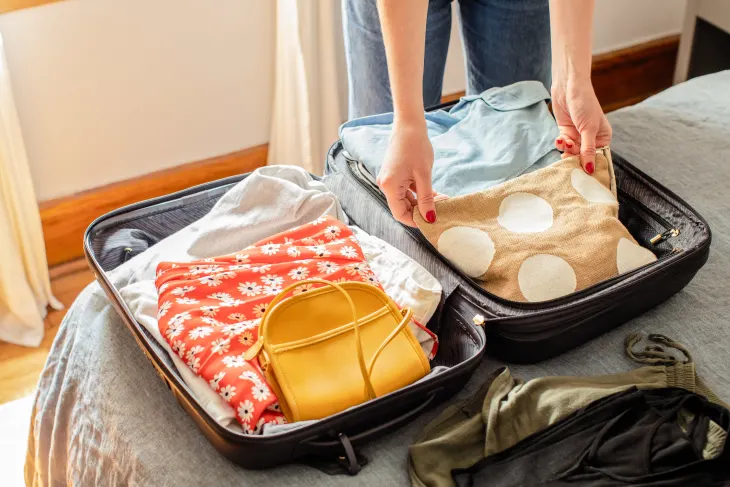
Traveling with only a single carry-on bag is one of the most effective ways to eliminate stress, save money, and increase mobility on any trip. By bypassing the checked luggage counter, you completely remove the risk of the airline losing your belongings, skip the long queues at the baggage carousel upon arrival, and easily navigate public transportation systems without dragging heavy suitcases through crowded stations.
Despite these clear benefits, many travelers struggle to compress their belongings into a compact space. The secret to successful single-bag travel does not involve sacrificing style, hygiene, or comfort. Instead, it relies on strategic planning, rigorous item selection, and utilizing spatial mechanics to maximize every cubic inch of your luggage.
Selecting the Right Luggage Infrastructure
Before you can optimize your packing, you must have the correct foundation. A carry-on bag should maximize the strict dimensional limitations imposed by major commercial airlines, which typically hover around twenty-two by fourteen by nine inches.
Hardside versus Softside and Backpacks
-
Hardside Rollers: These offer superior structural protection for fragile items and electronics. However, their rigid frames lack flexibility, meaning they cannot be compressed if you overpack by even a small fraction.
-
Softside Rollers: These bags provide external pockets for quick-access items like boarding passes and passports. The fabric material allows for slight stretching, which can be useful but also risks exceeding airline sizing bins if overstuffed.
-
Travel Backpacks: For ultimate mobility, a front-loading, carry-on-sized backpack is unmatched. It leaves your hands completely free and allows you to walk easily across cobblestone streets, stairs, and unpaved terrain where traditional wheels fail.
The Rule of One Week and the Capsule Wardrobe
The most common mistake travelers make is packing unique outfits for every single day of their journey. If you are traveling for two weeks, three weeks, or a month, you do not need a month worth of clothing. You only need enough clothing to comfortably last exactly one week, as laundry can easily be done anywhere in the world.
To make a limited selection of clothing functional, you must build a capsule wardrobe. This is a collection of high-quality garments that can be seamlessly interchanged to create dozens of distinct outfit combinations.
Principles of Capsule Selection
-
Stick to a Cohesive Color Palette: Choose a base neutral color such as black, navy, or charcoal, and add one or two complementary accent colors. Every top you pack should match every bottom you pack.
-
Prioritize Performance Fabrics: Avoid heavy, slow-drying fabrics like traditional cotton. Instead, choose lightweight merino wool, nylon blends, or high-performance polyester. These fabrics resist odors, wick moisture, and dry rapidly overnight if hand-washed in a hotel sink.
-
Layering over Bulk: Rather than packing a single massive, heavy winter coat that consumes half your bag, pack a lightweight windproof shell, a compact down jacket, and a thermal base layer. This combination provides equal warmth while occupying a fraction of the physical space.
Spatial Optimization Techniques
Once your wardrobe is strictly edited, the method you use to place items inside the bag will dictate how much space remains for toiletries and electronics.
The Rolling Method versus Bundle Packing
Traditional folding creates unnecessary air pockets and distinct fold lines that waste volume. Ranger rolling involves folding garments tightly into compact, cylindrical shapes. This method eliminates air, prevents deep wrinkles, and allows you to stack clothes neatly side-by-side like logs.
Bundle packing is another highly efficient alternative for formal clothing. It involves wrapping garments tightly around a central core object, such as a pouch filled with underwear or socks. The tension created by the wrapping prevents fabric from wrinkling while keeping the entire structure flat and compressed.
The Power of Compression Packing Cubes
Packing cubes are essential tools for organized, single-bag travel. They function as modular drawers within your luggage, grouping similar items together so you do not have to rummage through your entire bag to find a single item.
To save maximum space, invest in compression packing cubes, which feature a secondary exterior zipper system designed to expel excess air and flatten the packed clothing. This can reduce the physical volume of your wardrobe by up to forty percent.
Streamlining Toiletries and Electronics
Toiletries and electronics are heavy, awkwardly shaped items that can quickly derail a carry-on strategy if not carefully managed.
Navigating Liquid Restrictions
To comply with global aviation security standards, all liquids, gels, and aerosols must fit inside a single, transparent, one-quart plastic bag, with individual containers not exceeding 3.4 ounces.
To maximize this space, transition as many items as possible from liquid to solid states. Solid shampoo bars, solid conditioner, bar soap, solid deodorant, and toothpaste tablets work exceptionally well and do not count toward your liquid allotment, leaving your liquid bag reserved strictly for essential items like sunscreen or facial serums.
Consolidating Your Digital Footprint
The modern traveler often carries an array of cords, chargers, and screens. Streamline this weight by identifying multi-functional hardware. Swap out separate chargers for a single, high-wattage Gallium Nitride charger equipped with multiple USB-C ports, which can power your laptop, smartphone, camera, and tablet simultaneously.
Capitalizing on Your Personal Item Allowance
Most airlines allow passengers to bring one standard carry-on bag to go in the overhead bin, plus one smaller personal item that must fit completely underneath the seat in front of them. This personal item is a valuable extension of your packing real estate.
Utilize a small daypack or a structured messenger bag as your personal item. This space should be reserved for your heaviest or most critical items, such as your laptop, noise-canceling headphones, medication, travel documents, and your liquid toiletry pouch. By keeping these items under the seat, you ensure they are easily accessible during the flight and reduce the weight inside your primary overhead bag.
Strategic Transit Day Attire
The final component of packing light is using your own body to transport the bulkiest items. On transit days when you are actively moving through airports or train stations, wear your heaviest shoes, your thickest sweater, and your largest jacket.
This simple adjustment unburdens your carry-on bag of its largest volumetric hazards. Once you pass through security checkpoints or board the aircraft, you can easily remove the heavy layers and place them under your seat or in the overhead compartment if space permits.
Frequently Asked Questions
What should I do if my carry-on bag is slightly over the airline weight limit?
If an gate agent requests to weigh your bag and it exceeds the limit, remain calm and utilize your layers. Step out of line briefly and put on your heaviest jacket, sweater, or hat, and stuff your heaviest items, such as cameras or external battery packs, directly into your coat pockets. Airlines measure the weight of the luggage, not the weight of the passenger, so wearing your gear is a valid way to redistribute weight in an emergency.
How do I manage to pack multiple pairs of shoes in a single carry-on?
Shoes are highly problematic because they are bulky, rigid, and dirty. The golden rule of single-bag travel is to bring a maximum of two pairs of shoes. Wear the bulkiest pair, such as hiking boots or heavy sneakers, during transit. Pack the second, lower-profile pair, such as flat sandals or dress shoes, inside your bag. To maximize space, pack socks and small items tightly inside the cavities of the stowed shoes to utilize that dead space.
Is it realistic to travel with only a carry-on during winter or to cold climates?
Yes, it is entirely possible if you prioritize high-quality thermal materials over bulky cotton or fleece. Materials like merino wool and synthetic heat-tech fabrics provide immense warmth while remaining paper-thin. A single high-quality, weather-resistant down jacket can compress into a pouch the size of a water bottle, allowing you to stay warm without overcrowding your luggage frame.
How can I reliably wash my clothes while traveling with a single bag?
Hand-washing clothing in a hotel sink or hostel basin is simple and takes less than ten minutes. Fill the sink with warm water and a small amount of liquid travel soap or laundry sheets. Agitate the clothes for a few minutes, rinse thoroughly, and wring out the excess water. To accelerate drying times, lay the wet garment flat onto a dry hotel towel, roll the towel up tightly like a burrito, and step on it to absorb the moisture before hanging the garment up to dry.
What are the best strategies for preventing clothes from wrinkling when rolled?
Wrinkles are caused by friction and uneven shifting rather than the act of rolling itself. To prevent wrinkles, ensure that you smooth out all fabric creases with your hands before you begin rolling. Additionally, packing your rolled items snugly inside a compression cube prevents them from unrolling and rubbing against other items during transit, which dramatically reduces wrinkle formation.
How do I handle bringing souvenirs home if my carry-on is completely full?
If you anticipate purchasing items during your journey, leave roughly ten to fifteen percent of your carry-on space empty before departure. Alternatively, pack an ultra-lightweight, packable duffle bag that folds down to the size of a wallet. On your return trip, you can unfold this bag, place your dirty laundry inside it to be checked, and use your primary secure carry-on bag to safely transport your fragile or valuable souvenirs.